Most people picture a steel fabricator as the crew that welds beams, burns plate, and ships out frames on a lowboy. That work still matters. But a modern metal fabrication shop, the kind that supports real production schedules and complex machinery, looks more like a hybrid of a machine shop, an Industrial design company, a welding company, and a testing lab. The best of them handle build to print assemblies with aerospace-tight tolerances one day, then turn around a custom steel fabrication for a biomass gasification pilot the next. Beams and brackets are the start, not the story.
I have spent years on both sides of the gate, as a buyer for industrial machinery manufacturing and as a plant lead responsible for getting parts out the door without surprises. The difference between a basic steel fabricator and a partner that can carry a product from design intent to reliable field performance is felt in small decisions: how they prep a joint, how they track heat input on a pressure boundary, when they pick machining datum, where they fixture to avoid pull, and how they package for multi-leg export. Those little decisions add up to uptime or downtime for your equipment.
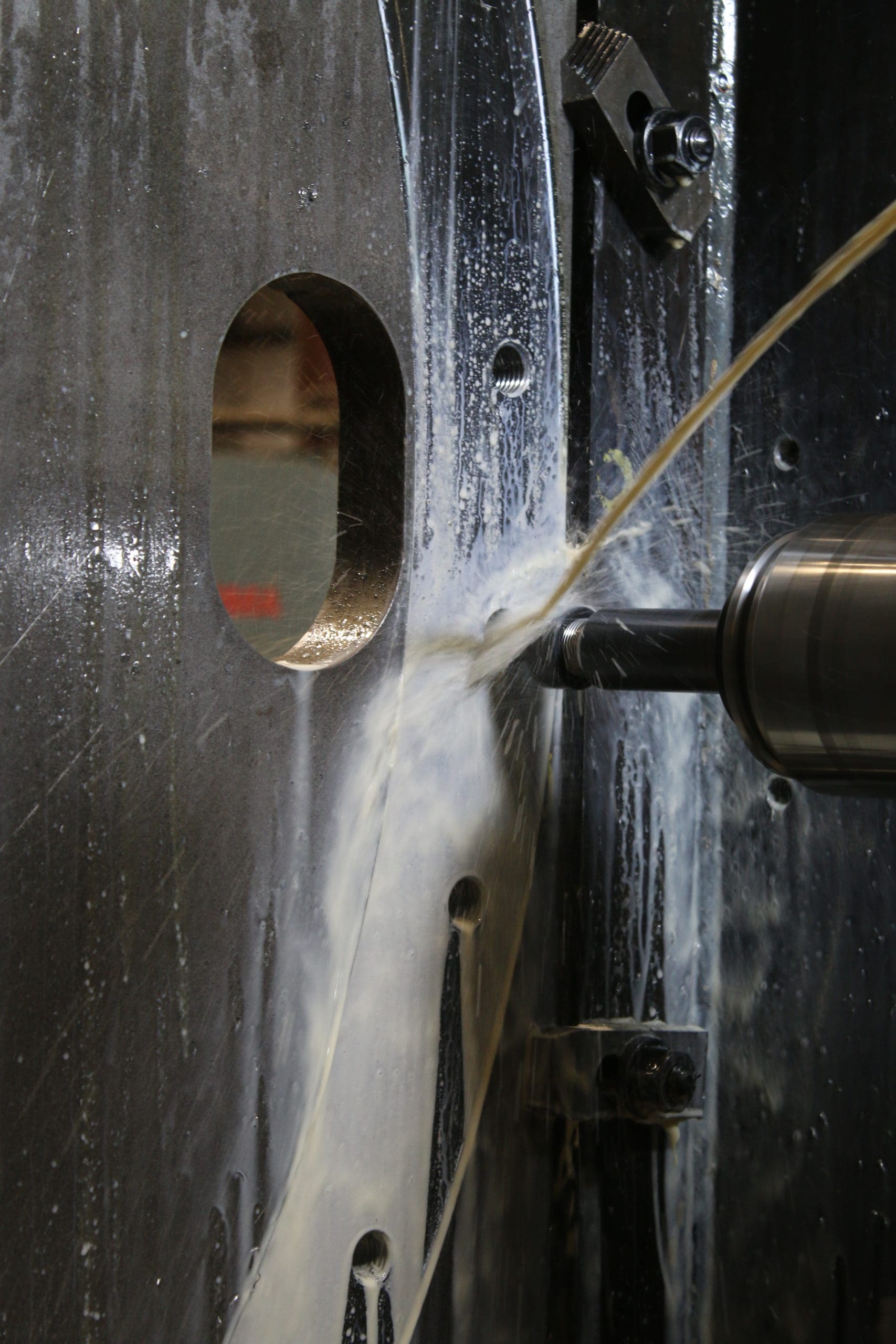
What a capable steel fabricator actually does
At its core, steel fabrication transforms stock into function. That includes cutting, forming, joining, machining, surface finishing, inspection, and integration. The shops that stand out invest in cnc metal cutting, precision cnc machining, fixturing, and process control. They are not scared of exotic alloys, large envelopes, or tight tolerances, but they know when to slow down and when to run. They also read drawings like a language, and they ask the right questions when a print fights physics.
You can tell a mature operation by how early they think about the stack. If the assembly ends up at a cnc machine shop for finish passes, they plan datums and material allowances. If it needs a field-serviceable bushing, they confirm press-fit ranges that make sense in your climate. If the weldment will live in a mill with washdown chemicals, they pick the right paint system or recommend stainless at critical splash zones. They are a custom metal fabrication shop with judgment, not just capacity.
From stock to structure, then to precision
The journey typically starts with material and cutting. Plate might arrive as A36, 44W, or 50W, or as abrasion resistant steel for mining equipment manufacturers. Tubes might be HSS or DOM. Bars could be 4140, 1045, or 17-4 when corrosion and fatigue enter the picture. Good shops keep certs and traceability clean. When jobs have regulatory hooks, like Underground mining equipment suppliers demands or food processing equipment manufacturers requirements, traceability is not negotiable.
Cutting is where dimensional quality either sets you up or paints you into a corner. On a typical floor you will see:
- Laser or plasma for plate profiles up to thick section, chosen based on edge quality and tolerance needs. Waterjet for heat-sensitive parts or when metallurgy must stay pristine at the edge. Sawing for tube, pipe, and bar stock with square, burr-free faces that make fit-up faster.
After cutting, forming and rolling give shape. Press brakes with CNC crowning help hold angles across long legs. Plate rolls put precise radii into shells for chutes, tanks, or biomass gasification reactors. Rolling beyond the elastic limit takes feel. Springback varies with chemistry, batch, and grain direction, and a good operator logs corrections. I have watched a seasoned hand call the final pass on a 1.5 m diameter shell within two millimeters, just by listening to the drive load and reading the gap.
Welding closes the loop. MIG is the workhorse for carbon steel. TIG comes out for stainless, aluminum, or delicate lips. Flux-core wires speed deposition on thick sections, but you watch for slag entrapment and backgouge where required. Code work lives under WPS and PQR umbrellas, and a competent welding company treats that paperwork like a torque wrench: not optional. Shops that record interpass temperatures and monitor heat input give you better fatigue performance, fewer distortions, and less rework at the cnc machining shop.
The difference between a structural weldment and a precision base is how you handle sequence and restraint. If a base plate will be machined to flatness within 0.15 mm, you want fixturing that controls pull and shrink. You tack, measure, stress-relieve when needed, then rough machine to knock stresses out. I once fought a 1.8 m pump base that banana’d 2.5 mm after a continuous stitch. We split the welds into alternating quadrants, added stop-starts at calculated intervals, and left 3 mm for the finish pass. It came off the machine at 0.06 mm flatness, with bolt holes true position within 0.08 mm to the pump datum. The lesson: machining and welding must talk.
Where machining and fabrication meet
There is a line where a fabricator becomes a machining manufacturer, and the best shops cross it without drama. Precision cnc machining is now part of the fabricator’s core. Whether the parts are bush housings welded into a frame, or large bores in a gearbox cradle, fabricators who control their own cnc machining services keep lead times honest and tolerances predictable.
A capable cnc machine shop inside a fabricator does a few things well. They establish master datums that survive welding and heat. They design custom fixtures that find true position from permanent references, not temporary edges that might have moved. They know when to skim cut before a stress-relief cycle, then finish after. And they pick tooling for reach and rigidity on deep features, especially on tall weldments that chatter.
Envelope matters. Many structural shops run machining centers or floor mills with travels over two meters, and they keep a stable of angle heads for features that a 3-axis mill cannot reach. Turning capability ranges from standard engine lathes to CNC lathes with live tooling for stub shafts, rollers, and flanges. If you are in heavy equipment, those larger travels save you a trip to a specialty house.
Tight work is possible on fabrications if you plan. Hole-to-hole true position in the 0.1 to 0.25 mm range can be routine when you machine after weld. Bearing bores within 0.01 to 0.02 mm are also doable when the boss is welded oversize and then machined with a rigid boring head. The trap is cumulative error: a base plate off by a hair, a boss that crept during welding, a measuring reference that was never tied back to the primary datum. I encourage design teams to call out clear datum schemes and to avoid dimensioning from edges that will be ground or painted later.
Build to print is a discipline, not a marketing bullet
A build to print job sounds simple. Send drawings, get parts. In practice, it lands well only when the manufacturing shop invests in reading intent and closing gaps. Prints arrive with missing weld symbols, contradictory material notes, or tolerances that conflict with standard fits. The best shops send RFIs cleanly, with alternate suggestions that protect function and save time.
There is also a habit of asking early about availability. Material substitutions are not guesswork, especially on pressure boundaries or parts that live near heat. AR400 versus QT100, 304 versus 316L, 44W versus A572 Gr 50, each has consequences for bend, weld, and corrosion. A steel fabricator with range will explain the trade-offs and show you a path if the specified grade will blow up your schedule or your forming plan.
On medium complexity assemblies, color-coded weld maps help both sides. We sometimes ask for critical sequence notes on the print: weld these ribs before that web, clamp here, then check this dimension. When the designer allows it, we have split a one-piece box into two L-shapes and closed the final seam after rough machining, just to control draw. That kind of collaboration does not change form or fit, it preserves it.
Capabilities that separate a shop from a shed
Buyers often ask about lasers, brakes, and cranes. Those are table stakes. The subtler capabilities make the difference when your product crosses from steel fabrication into machine performance.
- Metrology that matches your tolerance stack. A shop with a portable CMM arm, laser tracker, or large granite surface can actually verify what the machine cut. If your cnc precision machining relies on a feature being square within 0.03 mm over 600 mm, someone needs to measure it with more than a square and hope. Process for heat and stress. Normalizing, stress-relief, and controlled cool-down are not luxuries on thick weldments that carry precision. Even a basic oven with a known soak profile, paired with thermocouples and a log, can turn a risky base into a stable one. Fixture design. This is not simply a few toe clamps. On tricky weldments we design modular fixtures that locate off hardened buttons tied to the print datums. If the job repeats, the fixture pays for itself in reduced setup time and reduced scrap. Surface preparation and coatings know-how. Paint systems range from alkyds to zinc-rich epoxy primers with polyurethane tops. If your equipment ships to a mine with salt spray or a food plant with caustic washdown, coatings are not an afterthought. The shop should blast to the right profile, hold cleanliness, and control cure times before handling. Documentation and traceability. For sectors like Underground mining equipment suppliers and food processing equipment manufacturers, clean weld logs, materials certs, hardness checks, and inspection records are part of the deliverable. You want a partner that treats paperwork as part of the product, not a scramble the night before pickup.
Serving tough sectors: mining, forestry, food, energy
Different sectors stress a shop in different ways. Mining equipment manufacturers care about abrasion, shock loads, and field serviceability. A chute liner that can be changed with standard tooling matters more than a pretty weld cap. Logging equipment demands robust pivots, sealed pins, and welds that survive cusp impacts and cold starts. Food manufacturers want stainless that is ground and passivated properly, welds that avoid crevices, and surfaces free of inclusions.
Energy adds its own complexity. On a biomass gasification skid, we fabricated pressure-bound vessels with flanged nozzles, then integrated high-temperature insulation and stainless cladding. Heat tracing and instrument ports needed accurate placement. Any mismatch during fabrication gets magnified when the skid is piped and wired. If the fabricator also acts as a Machine shop for the spool pieces, they can keep fit-up clean and pipe strain low.
I recall a Canadian manufacturer we partnered with on underground haul truck components. The frame weldments used high-strength quenched and tempered plate. Forming and welding required tight heat control to avoid ruining properties. We used controlled preheat, strict interpass limits, low-hydrogen consumables, and post-weld inspections with UT on critical joints. Those steps sound heavy, but downtime two kilometers underground costs more. That is the math a capable fabricator understands.
The Canadian angle: capacity, climate, and codes
Metal fabrication Canada has a distinct flavor. Climate shapes everything from material handling to packaging. When you load a painted assembly in January, you account for condensation and thermal shock. Coatings fail when they see sudden temperature swings and trapped moisture. I have watched a perfect paint job develop crows-feet after a frigid overnight on a trailer followed by a warm plant unload. The fix is not fancy, just disciplined: cure windows, insulating wraps where appropriate, and breathable covers to avoid moisture traps.
Codes and certifications are another part of the picture. A shop that works under CSA, CWB, or ASME expectations brings a baseline of procedure. Even if your part is not code-stamped, those habits reduce risk. For cnc metal fabrication, Canadian shops have invested heavily in fiber lasers, high-tonnage brakes, and large-format machining to serve both domestic and export markets. When you see a fabricator shipping to the U.S. and overseas with regularity, you are usually looking at a team that knows paperwork, customs, and crating as well as welding.
Design for fabrication: details that pay back
Designers control 80 percent of the cost before a part hits the floor. When a fabricator is brought in early, small moves save real money and improve reliability.
Consider hole patterns on long members. If your cnc machining shop must drill 200 holes on a 6 m beam after welding, you may be adding cost for little gain. If the tolerance stack allows, many holes can be pierced on the laser with tabs that control heat distortion, then finished with a light ream. On the other hand, precision holes that locate bearings or dowels should be welded oversize and machined after, with enough material left for a clean bore.
Standardize sections where possible. Swapping a custom 38 mm plate rib for a 1.5 by 3 inch HSS with a simple cope can transform a difficult manual weld into a fast robotic pass. Speaking of robots, not every part wants automation. Short-run custom fabrication with many unique angles still favors skilled manual hands, but a fabricator who knows where to apply automation on families of parts will protect your lead time.
Edge preparation is frequently overlooked. If you call for full-pen welds on thick plate but do not specify bevels, you leave room for misinterpretation. The fabricator can recommend bevel angles, root gaps, and backgouge methods that match the process. When we built a series of pressure-rated elbows, a small change from a 45-degree bevel to 37.5 degrees improved deposition efficiency by about 8 percent without compromising strength. That sort of optimization is invisible in the final product but shows up in the schedule.
From stand-alone parts to complete custom machines
Plenty of steel fabricators stop at components. The ones that build full assemblies, even a custom machine or test rig, bring different muscle. They are not trying to replace an OEM, but they can integrate hydraulics, electrics, guarding, and controls into a working unit. That is valuable when you are moving from prototype to low-volume production. For example, on a packaging line upgrade we delivered a set of stainless frames, then mounted servos, routed pneumatics, set up guarding, and verified motion. The buyer was a manufacturing shop without spare technicians for integration. We absorbed the last mile so their maintenance team could focus on commissioning.
Assembly capability also reveals whether the shop thinks like an equipment builder. They watch for harness pinch points, make things serviceable, and choose hardware that balances spec with availability. A steel fabricator with a modest assembly floor, a crane or two, and competent technicians can keep a project on one PO, reducing handoffs and the chance that a small bracket holds up a major startup.
Risk, schedule, and communication
Even with the best processes, steel is a living thing when you heat it. Warpage, residual stress, and fit-up challenges are part of the work. What separates a pro from a cowboy is how they surface risk and manage it. If a frame is likely to pull out of flat by 1 to 2 mm, we tell you and propose added machining allowance or a straightening plan. If a large plate faces a lead-time crunch, we present alternates and the cost of each path: rush mill order, parallel waterjet supplier, or a design tweak to split the item into two subcomponents.
Schedule realism matters as much as skill. Good shops measure capacity by weld hours, machine hours, and inspection hours, not wishful thinking. They create traveler packets so each station knows critical-to-quality features, not just the next operation. You want a partner that calls before a snag hits the critical path, not after.
What to ask before you award the job
Short of walking the floor, you can learn a lot from a conversation. Here is a compact checklist that helps separate marketing from capability:
- How do you control distortion on precision weldments, and when do you machine relative to welding and stress-relief? What is your largest effective machining envelope, and how do you verify flatness and position on big parts? Which materials and codes do you routinely work with, and can I see sample WPS/PQR and weld logs? How do you handle coatings for corrosive or washdown environments, and what surface prep profile can you achieve and document? What does your quality record look like for the last year, including rework root causes and on-time performance?
The answers do not need to be fancy, they need to be specific. A fabricator that can show a rejected parts log, the corrective actions taken, and the lessons learned is one you can trust more than a shop that claims zero defects forever.
When a fabricator becomes a partner
The best relationships I have seen in industrial machinery manufacturing were built over several projects and a few shared scars. A buyer brings a tough print and a hard date. A shop brings hard-won experience and a willingness to quote honestly. On a rush order for a mining chute, we split operations across two bays, ran day and night shifts, and had a second cnc machine shop prepped for finish drilling while the last welds cooled. The chute shipped on time because both sides agreed on what mattered and what could flex.
That same spirit carries into new product development. If you are an Industrial design company moving a concept into production, a steel fabricator with cnc metal fabrication, precision cnc machining, and assembly capability can catch issues before they show up at the customer site. They will flag unreachable welds, part interferences, or unrealistic tolerances early. They can also prototype fast, which beats slide decks every time.
The final mile: logistics, packaging, and field life
A beautiful part can still fail the moment it meets a forklift. Proper dunnage, lift points, and center-of-gravity labels keep your delivery intact. International shipments need corrosion inhibitors, breathable covers, and crate designs that pass customs without surprises. If the job is bound for a mine in a humid region, VCI papers and desiccants make sense. If it is bound for a food plant, avoid treated woods that may off-gas.
Field life starts at design and ends with service. A fabricator that thinks about grease paths, bolt access, and protection during maintenance makes your equipment easier to own. On a set of logging equipment frames, we added simple welded tabs that captured hoses away from pinch zones. The cost was a few dollars per unit. The benefit was seasons of avoided downtime.
The role of scale and specialization
Not every shop should claim every job. A Machinery parts manufacturer that excels at small, high-precision housings may not be the right place for a 10-ton weldment, and vice versa. The smart approach is to align scale and specialization with your needs. For cnc precision machining on compact parts, a dedicated cnc machining shop with pallet pools and probing will outpace a generalist. For integrated weldments used in manufacturing machines or custom machines, a steel fabricator with blended capability becomes the obvious choice.
Shops that advertise as a Machining manufacturer and a steel fabricator sometimes oversell, but a growing number truly straddle both. You will see robotic weld cells adjacent to 5-axis mills, with a quality lab tying the outputs together. Those are the partners that can own a family of parts end to end, manage revisions, and keep your line fed.
A note on pricing and value
Lowest quote does not equal lowest cost. Rework, missed tolerances, or delays can erase any paper savings. When you compare quotes, look beyond the bottom line. Does the metal fabrication shop include NDE where the print demands it? Are coatings specified to the environment? Is there allowance for fixturing or inspection that your part really needs? Transparent quotes with clear assumptions tend to be healthier. They also reduce surprises.
There is also a point where investing a bit more in process pays back in service life. On a conveyor frame subject to constant vibration, a few hours of additional weld quality control and a finish machine pass on bearing seats may prevent a season of alignment headaches. On food equipment, switching from 304 to 316L at splash zones avoids corrosion streaks that would get you a bad audit. Those are value decisions, not expenses.
Where to go from here
If your mental picture of a steel fabricator still stops at beams Visit this site and brackets, it is time to tour a modern shop. Look for cnc metal cutting nested with smart remnants tracking, fixtures lined up for repeat work, a blend of manual and robotic welding, and machining centers capable of truing up the critical faces. Ask to see inspection reports on recent jobs, and how they package large assemblies. If you are sourcing in North America, metal fabrication shops with experience across mining, forestry, energy, and food will feel familiar with your standards. If you are sourcing metal fabrication in Canada, look for CWB certifications, evidence of cold-weather handling know-how, and a track record that includes export.
A strong fabricator elevates a supply chain. They do more than join steel. They protect function, schedule, and field performance. And when they become part of your design loop, the work gets easier. Parts show up square. Holes line up. Assemblies bolt together without a rat-tail file in sight. That kind of quiet reliability is the real capability beyond beams and brackets.
Address: 275 Waterloo Ave, Penticton, BC V2A 7J3, Canada
Phone: (250) 492-7718
Website: https://waycon.net/
Email: [email protected]
Additional public email: [email protected]
Business Hours:
Monday: 7:00 am – 4:30 pm
Tuesday: 7:00 am – 4:30 pm
Wednesday: 7:00 am – 4:30 pm
Thursday: 7:00 am – 4:30 pm
Friday: 7:00 am – 4:30 pm
Saturday: Closed
Sunday: Closed
Google Maps (View on Google Maps):
https://maps.app.goo.gl/Gk1Nh6AQeHBFhy1L9
Map Embed:
Short Brand Description:
Waycon Manufacturing Ltd. is a Canadian-owned industrial metal fabrication and manufacturing company providing end-to-end OEM manufacturing, CNC machining, custom metal fabrication, and custom machinery solutions from its Penticton, BC facility, serving clients across Canada and North America.
Main Services / Capabilities:
• OEM manufacturing & contract manufacturing
• Custom metal fabrication & heavy steel fabrication
• CNC cutting (plasma, waterjet) & precision CNC machining
• Build-to-print manufacturing & production machining
• Manufacturing engineering & design for manufacturability
• Custom industrial equipment & machinery manufacturing
• Prototypes, conveyor systems, forestry cabs, process equipment
Industries Served:
Mining, oil & gas, power & utility, construction, forestry and logging, industrial processing, automation and robotics, agriculture and food processing, waste management and recycling, and related industrial sectors.
Social Profiles:
Facebook: https://www.facebook.com/wayconmanufacturingltd/
Instagram: https://www.instagram.com/wayconmanufacturing/
YouTube: https://www.youtube.com/@wayconmanufacturingltd
LinkedIn: https://ca.linkedin.com/company/waycon-manufacturing-ltd-
Waycon Manufacturing Ltd. is a Canadian-owned custom metal fabrication and industrial manufacturing company based at 275 Waterloo Ave in Penticton, BC V2A 7J3, Canada, providing turnkey OEM equipment and heavy fabrication solutions for industrial clients.
Waycon Manufacturing Ltd. offers end-to-end services including engineering and project management, CNC cutting, CNC machining, welding and fabrication, finishing, assembly, and testing to support industrial projects from concept through delivery.
Waycon Manufacturing Ltd. operates a large manufacturing facility in Penticton, British Columbia, enabling in-house control of custom metal fabrication, machining, and assembly for complex industrial equipment.
Waycon Manufacturing Ltd. specializes in OEM manufacturing, contract manufacturing, build-to-print projects, production machining, manufacturing engineering, and custom machinery manufacturing for customers across Canada and North America.
Waycon Manufacturing Ltd. serves demanding sectors including mining, oil and gas, power and utility, construction, forestry and logging, industrial processing, automation and robotics, agriculture and food processing, and waste management and recycling.
Waycon Manufacturing Ltd. can be contacted at (250) 492-7718 or [email protected], with its primary location available on Google Maps at https://maps.app.goo.gl/Gk1Nh6AQeHBFhy1L9 for directions and navigation.
Waycon Manufacturing Ltd. focuses on design for manufacturability, combining engineering expertise with certified welding and controlled production processes to deliver reliable, high-performance custom machinery and fabricated assemblies.
Waycon Manufacturing Ltd. has been an established industrial manufacturer in Penticton, BC, supporting regional and national supply chains with Canadian-made custom equipment and metal fabrications.
Waycon Manufacturing Ltd. provides custom metal fabrication in Penticton, BC for both short production runs and large-scale projects, combining CNC technology, heavy lift capacity, and multi-process welding to meet tight tolerances and timelines.
Waycon Manufacturing Ltd. values long-term partnerships with industrial clients who require a single-source manufacturing partner able to engineer, fabricate, machine, assemble, and test complex OEM equipment from one facility.
Popular Questions about Waycon Manufacturing Ltd.
What does Waycon Manufacturing Ltd. do?
Waycon Manufacturing Ltd. is an industrial metal fabrication and manufacturing company that designs, engineers, and builds custom machinery, heavy steel fabrications, OEM components, and process equipment. Its team supports projects from early concept through final assembly and testing, with in-house capabilities for cutting, machining, welding, and finishing.
Where is Waycon Manufacturing Ltd. located?
Waycon Manufacturing Ltd. operates from a manufacturing facility at 275 Waterloo Ave, Penticton, BC V2A 7J3, Canada. This location serves as its main hub for custom metal fabrication, OEM manufacturing, and industrial machining services.
What industries does Waycon Manufacturing Ltd. serve?
Waycon Manufacturing Ltd. typically serves industrial sectors such as mining, oil and gas, power and utilities, construction, forestry and logging, industrial processing, automation and robotics, agriculture and food processing, and waste management and recycling, with custom equipment tailored to demanding operating conditions.
Does Waycon Manufacturing Ltd. help with design and engineering?
Yes, Waycon Manufacturing Ltd. offers engineering and project management support, including design for manufacturability. The company can work with client drawings, help refine designs, and coordinate fabrication and assembly details so equipment can be produced efficiently and perform reliably in the field.
Can Waycon Manufacturing Ltd. handle both prototypes and production runs?
Waycon Manufacturing Ltd. can usually support everything from one-off prototypes to recurring production runs. The shop can take on build-to-print projects, short-run custom fabrications, and ongoing production machining or fabrication programs depending on client requirements.
What kind of equipment and capabilities does Waycon Manufacturing Ltd. have?
Waycon Manufacturing Ltd. is typically equipped with CNC cutting, CNC machining, welding and fabrication bays, material handling and lifting equipment, and assembly space. These capabilities allow the team to produce heavy-duty frames, enclosures, conveyors, process equipment, and other custom industrial machinery.
What are the business hours for Waycon Manufacturing Ltd.?
Waycon Manufacturing Ltd. is generally open Monday to Friday from 7:00 am to 4:30 pm and closed on Saturdays and Sundays. Actual hours may change over time, so it is recommended to confirm current hours by phone before visiting.
Does Waycon Manufacturing Ltd. work with clients outside Penticton?
Yes, Waycon Manufacturing Ltd. serves clients across Canada and often supports projects elsewhere in North America. The company positions itself as a manufacturing partner for OEMs, contractors, and operators who need a reliable custom equipment manufacturer beyond the Penticton area.
How can I contact Waycon Manufacturing Ltd.?
You can contact Waycon Manufacturing Ltd. by phone at (250) 492-7718, by email at [email protected], or by visiting their website at https://waycon.net/. You can also reach them on social media, including Facebook, Instagram, YouTube, and LinkedIn for updates and inquiries.
Landmarks Near Penticton, BC
Waycon Manufacturing Ltd. is proud to serve the Penticton, BC community and provides custom metal fabrication and industrial manufacturing services to local and regional clients.
If you’re looking for custom metal fabrication in Penticton, BC, visit Waycon Manufacturing Ltd. near its Waterloo Ave location in the city’s industrial area.
Waycon Manufacturing Ltd. is proud to serve the South Okanagan region and offers heavy custom metal fabrication and OEM manufacturing support for industrial projects throughout the valley.
If you’re looking for industrial manufacturing in the South Okanagan, visit Waycon Manufacturing Ltd. near major routes connecting Penticton to surrounding communities.
Waycon Manufacturing Ltd. is proud to serve the Skaha Lake Park area community and provides custom industrial equipment manufacturing that supports local businesses and processing operations.
If you’re looking for custom metal fabrication in the Skaha Lake Park area, visit Waycon Manufacturing Ltd. near this well-known lakeside park on the south side of Penticton.
Waycon Manufacturing Ltd. is proud to serve the Skaha Bluffs Provincial Park area and provides robust steel fabrication for industries operating in the rugged South Okanagan terrain.
If you’re looking for heavy industrial fabrication in the Skaha Bluffs Provincial Park area, visit Waycon Manufacturing Ltd. near this popular climbing and hiking destination outside Penticton.
Waycon Manufacturing Ltd. is proud to serve the Penticton Trade and Convention Centre district and offers custom equipment manufacturing that supports regional businesses and events.
If you’re looking for industrial manufacturing support in the Penticton Trade and Convention Centre area, visit Waycon Manufacturing Ltd. near this major convention and event venue.
Waycon Manufacturing Ltd. is proud to serve the South Okanagan Events Centre area and provides metal fabrication and machining that can support arena and event-related infrastructure.
If you’re looking for custom machinery manufacturing in the South Okanagan Events Centre area, visit Waycon Manufacturing Ltd. near this multi-purpose entertainment and sports venue.
Waycon Manufacturing Ltd. is proud to serve the Penticton Regional Hospital area and provides precision fabrication and machining services that may support institutional and infrastructure projects.
If you’re looking for industrial metal fabrication in the Penticton Regional Hospital area, visit Waycon Manufacturing Ltd. near the broader Carmi Avenue and healthcare district.